
ARRHYTHMOGENIC CARDIOMYOPATHY (ACM)
Arrhythmogenic cardiomyopathy (ACM), also known as arrhythmogenic right ventricular cardiomyopathy (AVRC), is a heart disease characterized by loss and replacement of myocardial tissue with fibrofatty tissue and scarring. This process disrupts electrical conduction and increases arrhythmia risk and disruptions in normal heart rhythm. If left unmanaged, ACM can lead to structural changes in the heart, which increase the risk of heart failure. Sudden cardiac death (SCD) becomes a notable concern in advanced stages.1
In the United States, studies show that 23% of individuals with ACM present with SCD as their first symptom, highlighting its severity.1
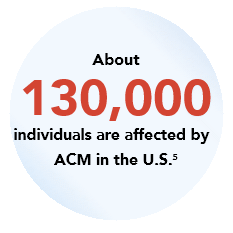
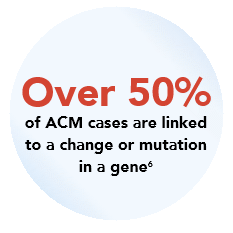
Mutations in Desmosomal Genes Can Lead to ACM
Desmosomal genes make proteins that help cells connect to one another to help stabilize the structure of tissues, like the heart. Mutations in these genes can compromise the structural stability of the heart and disrupt the electrical system that keeps the heart functioning correctly.1
ACM is most commonly caused by a change or mutation in one of the desmosomal genes called plakophilin-2 (PKP2).4 We refer to ACM caused by changes to the PKP2 gene as PKP2-ACM.
The PKP2 gene codes for the PKP2 protein, which is critical for desmosome function in heart cells. PKP2 gene mutations reduce PKP2 protein levels, leading to structural and mechanical instability in heart muscle cells, resulting in PKP2-ACM. Over time, this instability contributes to damage to the heart cells, and the heart muscle starts to get replaced by fibrous or fatty tissue.1
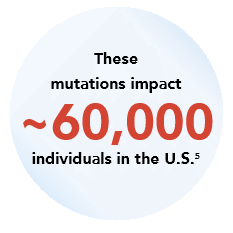
Over time, damage to the heart due to PKP2-ACM worsens, increasing the risk of SCD and severe heart complications. Current treatments, such as implantable defibrillators and medications, focus on symptom management and SCD prevention but do not address the underlying cause of heart dysfunction, nor halt disease progression.1,4
This Highlights a Critical Need for More Targeted Therapeutic Approaches.
At Lexeo, we have made this unmet need a top priority through our research of an investigational gene therapy called LX2020.

References
- Data on file.
- van Opbergen CJM, Noorman M, Pfenniger A, et al. Plakophilin-2 Haploinsufficiency Causes Calcium Handling Deficits and Modulates the
Cardiac Response Towards Stress. International Journal of Molecular Sciences. 2019;20(17):4076. doi:10.3390/ijms20174076 - Lexeo Therapeutics. Data on file.
- Calore M, Lorenzon A, De Bortoli M, Poloni G, Rampazzo A. Arrhythmogenic cardiomyopathy: a disease of intercalated discs. Cell Tissue Res.
2015;360(3):491-500. doi:10.1007/s00441-014-2015-5